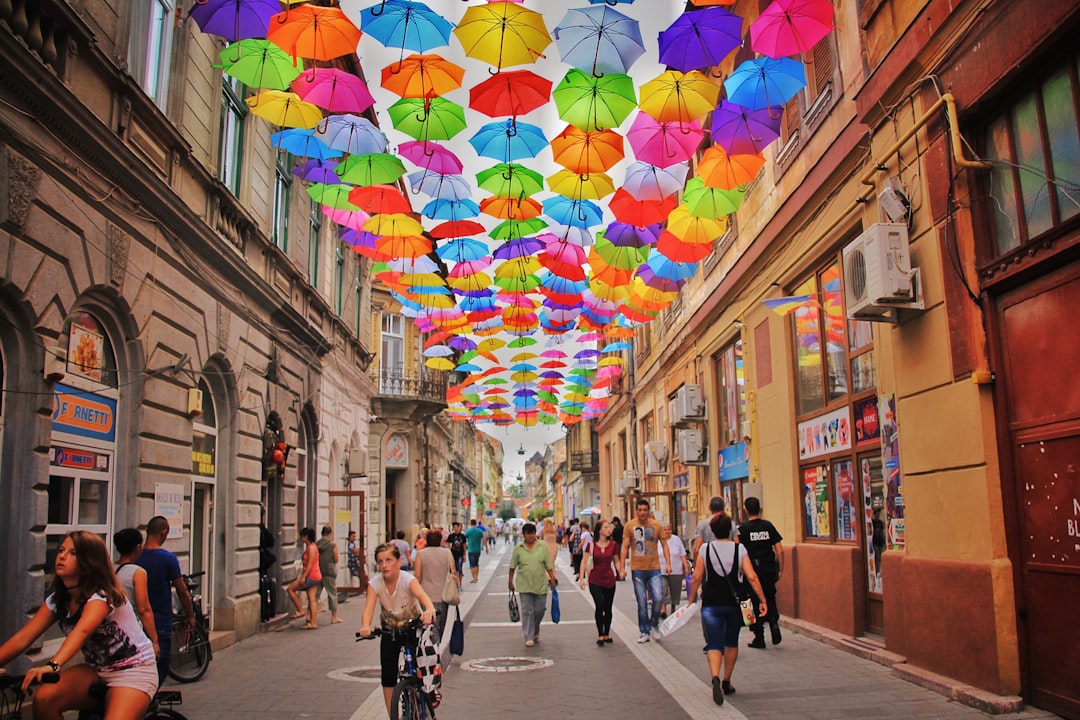
Engagement Through Experience: How Local Communities Are Redefining Cultural Events
How communities are reshaping cultural events into participatory experiences that engage locals and travelers alike.
Engagement Through Experience: How Local Communities Are Redefining Cultural Events
Across towns and neighborhoods, cultural events are shifting from passive stages and spectator seats into hands-on, co-created experiences that invite residents and travelers to participate, shape and remember. This shift responds to a growing desire for authentic travel experiences and meaningful community engagement, and it’s reshaping how planners, local businesses and civic organizations design town events and festivals. In this guide we unpack the why, the how and the practical playbook to transform cultural programming into participatory engines of community bonding and sustainable tourism.
Throughout the piece you’ll find operational frameworks, data-driven measurement approaches and real-world examples — including how small businesses, nonprofit partners and digital tools fit into the mix. For a detailed look at how local businesses can play an activist role in events, see our analysis of how local pubs can support conservation efforts, which highlights community-led fundraising and place-based programming models that scale to cultural events.
We also include templates and a comparison table so organizers and community leaders can map formats against costs, participation and impact. If you manage listings or directories for local activities, this guide shows how to promote participatory offerings effectively using modern discovery strategies like conversational search and AI-enhanced discovery.
1. Why participatory cultural events matter
1.1 From spectatorship to citizenship
Traditional events position visitors as observers; participatory events treat them as contributors. When residents and visitors co-create programming — from community murals to hands-on craft labs — they claim ownership of place, which strengthens civic ties and long-term engagement. This shift fosters deeper memories and higher return visitation because people don’t just remember seeing something; they remember making it. Community-led formats also help marginalized voices take part in cultural narratives, increasing social cohesion and trust.
1.2 Social and economic spillovers
Participation drives extended stays, increased local spending and diversified audience demographics. Research into event-led neighbourhood revitalization shows that interactive workshops and participatory performances create multiplier effects for local retailers, restaurants and services. For property managers and landlords, participatory programming is now a tool for place marketing — see how events are being used to attract renters in apartment marketing strategies. These spillovers can be planned deliberately to support small businesses and preserve affordability.
1.3 Cultural relevance and resilience
Interactive events are more adaptable in crisis and more likely to be retained as permanent amenities. Participatory formats create recurring engagement loops that both preserve traditions and evolve them with new contributors. Events that invite co-creation — whether through shared meals, community gardens or collaborative performances — are often quicker to pivot when conditions change because they’re built on networks, not one-off transactions. That resilience is vital for towns experiencing seasonal visitor flows and shifting funding landscapes.
2. Designing participatory cultural events: principles and playbook
2.1 Principle: Design for inclusion and low barriers
Participation only works when it’s accessible. Design programs with clear entry points, low-cost or donation options and multilingual signage where appropriate. That may mean shorter time commitments, drop-in formats and childcare or mobility accommodations built into the plan. To make these choices strategically, partner with local nonprofits and community organizations who can advise on equitable access — we outline partnership models in integrating nonprofit partnerships for mutual benefit and reach.
2.2 Principle: Create clear contributor roles
People need to know how they can participate: are they creators, collaborators, mentors, judges or audience-interpreters? Clear roles reduce anxiety and increase uptake. Use pre-event communications to outline roles, provide quick tutorials and highlight what participants will take home — a craft, a skill or a shared story. Roles also help you plan staffing and volunteer needs more precisely, which lowers costs and improves experience quality.
2.3 Principle: Scaffold experiences for varying commitment
Build a participation ladder: frictionless entry points (a photo wall or interactive window), mid-level engagement (a 45-minute workshop) and deep-dive experiences (weekend residencies). This scaffolding accommodates both travelers with limited time and locals looking for repeat engagement. It also supports community capacity-building by grooming regular participants into volunteer leaders or co-curators over time, a strategy that helps sustain programming year-round.
3. Storytelling, co-creation and programming
3.1 Narrative as glue
A compelling story ties participatory moments together and deepens impact. Whether you’re creating a music residency, a food trail or a maker fair, craft a narrative arc that frames activities as chapters in a shared story. For techniques on compelling event narratives, draw inspiration from arts institutions: see our piece on crafting powerful narratives with examples from orchestral programming that translate to community events.
3.2 Co-curation models
Co-curation invites residents to propose, select and run program elements. Use open calls, community juries and micro-granting to diversify voices. Co-curation flips the power dynamic and produces programming that resonates locally while remaining attractive to curious travelers. Examples include neighborhood walking tours led by residents, pop-up kitchens featuring family recipes and collaborative public art projects.
3.3 Creative collaborations and cross-disciplinary teams
Collaborations between artists, educators, small businesses and NGOs expand what’s possible. When authors, musicians and local craftspeople team up, they create hybrid experiences with broader appeal — learn more from examples of impactful collaborations in cultural production. These partnerships are also strategic for sharing costs, marketing reach and volunteer resources.
4. Technology & hybrid models: extending participation digitally
4.1 Hybrid events and streaming tools
Hybrid formats let remote participants contribute in real time and expand audience reach. Interactive streaming — from moderated Q&A to live voting — can make remote viewers feel present and influential. After high-profile experiments in streaming events, creators are learning to build interactivity into broadcasts so they’re less like lectures and more like collaborative sessions; for a discussion of interactive streaming lessons, see the analysis of interactive streaming events.
4.2 Repurposing audio and content to increase participation
Podcasts and recorded oral histories can be repurposed as prompts for in-person listening sessions, guided walks and participatory discussions. Repurposing content extends the life of programmed material and offers layered entry points for different audiences. For practical strategies on adapting audio into visual and live formats, review our guide on repurposing podcasts as live streaming content.
4.3 Emerging tech: VR, modular content and AI tools
Virtual reality and modular content can create immersive, repeatable experiences and offer scaled access when space is limited. VR tools also enable safe experimentation for participatory art and performance. For organizations looking to prototype virtual participation, see how teams are leveraging VR for collaboration. Additionally, modular content strategies allow organizers to assemble experiences from reusable blocks — a practice detailed in creating dynamic experiences.
5. Partnerships, funding and local business integration
5.1 Nonprofit & civic partnerships
Partnering with nonprofits widens reach and builds trust among community groups. Nonprofits can help with outreach, space access and volunteer coordination, and they often facilitate funding channels such as grants. Our piece on integrating nonprofit partnerships explains how to structure collaborations that amplify visibility while preserving mission alignment.
5.2 Local business as co-creators
Small businesses provide venues, talent and hyper-local marketing muscle. From cafes hosting storytelling nights to hardware stores sponsoring maker pop-ups, business involvement cements economic impact. Sites that practice place-based giving, as discussed in the study on local pubs supporting conservation, offer models for how enterprises can back community cultural programs with tangible outcomes.
5.3 Funding models: microgrants, revenue shares and sponsorships
Microgrants and revenue-share arrangements reduce upfront risk for grassroots creators. Implement tiered sponsorships for local enterprises and use small ticketed workshops to offset costs while keeping headline events free. Creative funding combinations unlock diverse stakeholders’ involvement — a practical approach when resources are limited and accountability is essential.
6. Measuring impact: data-driven decisions and community sentiment
6.1 What to measure
Key metrics include participation rates, repeat attendance, local spend, volunteer hours and qualitative outcomes like reported sense of belonging. Track demographic reach to ensure equity goals are met and measure conversion (attendees who later book local experiences or return) to understand tourism value. Combine survey work with digital analytics to create a fuller picture of both on-the-ground and online engagement.
6.2 Using sentiment and feedback loops
User feedback provides real-time signals to refine programming and outreach. Build continuous feedback channels — comment walls, QR surveys and moderated online groups — to surface improvement opportunities. For a deep dive into how community sentiment informs content strategy and decision-making, see leveraging community sentiment.
6.3 Predictive analytics and resource allocation
Data-driven predictions help allocate staffing, marketing spend and logistical resources to the activities most likely to succeed. Using past event data, you can forecast attendance ranges and budget contingencies more accurately. Guidance on using data-driven marketing and prediction frameworks can be found in our piece on using data-driven predictions.
| Format | Participation Level | Approx. Cost | Tech Required | Ideal Audience | Impact Score (1–10) |
|---|---|---|---|---|---|
| Pop-up workshop | High (hands-on) | Low–Medium | Minimal (registration app) | Families, makers | 8 |
| Community festival with co-curation | Medium–High | Medium–High | Moderate (live coordination) | All ages, travelers | 9 |
| Hybrid streamed workshop | Medium | Medium | High (streaming platform) | Remote participants, local | 7 |
| VR immersive experience | High (virtual) | High | Very high (hardware) | Tech-savvy travelers, youth | 6 |
| Ongoing co-created installation | Variable (recurring) | Low–Medium | Low (digital log) | Locals, repeat visitors | 8 |
Pro Tip: Programs that mix low-barrier drop-in opportunities with paid, high-value workshops deliver the best balance of reach and revenue. Data shows repeat participation rises significantly after a third touchpoint.
7. Case studies and prototypes that work
7.1 Pop-up conservation kitchens and community pubs
Small-scale pop-ups that pair storytelling with local ingredients bring residents and visitors into dialogue. These formats often channel proceeds to local causes and make conservation tangible through food and narrative. Our study of pubs supporting conservation provides a blueprint for how hospitality venues can host cultural programming while serving community goals; read more in saving the wilderness.
7.2 Wellness-focused series that rebuild social ties
Wellness events, from community yoga to walking groups, function as low-cost participation hubs that rebuild trust and neighbor networks. Local retailers and wellness stores can be key partners in these efforts, as discussed in lessons from local stores. When layered with cultural programming — music, food and storytelling — wellness series can reach audiences who might not attend traditional arts events.
7.3 Creative residencies and neighborhood co-curation
Artist residencies embedded in neighborhoods produce place-specific works and invite ongoing community collaboration. Residencies that culminate in participatory events — collaborative murals, community opera scenes, public rehearsals — create sustained engagement and narrative continuity. Learn how co-creative processes in music and performance offer transferable lessons in crafting powerful narratives.
8. Marketing participatory experiences to locals and travelers
8.1 Discovery: conversational search and directories
Optimizing how events appear in local discovery tools is crucial because many participants search with natural language and intent-focused questions. Update directory listings to include participation keywords, accessibility details and role descriptions. For actionable tips on making directory listings speak to community queries, see conversational search.
8.2 SEO and mega-event opportunities
Use both evergreen local content and timely pages to capture travelers planning trips. Leveraging larger events or seasonal moments can amplify visibility for smaller participatory programs; our guide on leveraging mega events explains tactical link and content playbooks to boost tourism SEO around participatory offerings.
8.3 Social and community-driven promotion
Peer recommendations and amplified community sentiment are primary drivers for participation. Encourage user-generated content, testimonials and highlight community contributors. The interplay between community feedback and program evolution is well described in leveraging community sentiment, which shows how feedback loops feed both content strategy and program refinement.
9. Safety, accessibility and ethical considerations
9.1 Risk management and crowd dynamics
Participatory formats often mean unpredictable flows and close contact. Create clear safety protocols, capacity limits and contingency plans for weather or crowd surges. If digital participation plays a role, consider data privacy and moderation policies for live chats and interactive streams, informed by best practices in platform management.
9.2 Accessibility as a design principle
Universal design increases participation. Offer multiple ways to participate (audio descriptions, tactile elements, translated materials, quiet hours) and budget for accessibility supports. Accessibility benefits not only participants with disabilities but also tourists with varied language and mobility needs.
9.3 Ethical storytelling and cultural sensitivity
When events draw on local heritage, practice ethical attribution, revenue sharing and acknowledgment of cultural owners. Create co-ownership agreements and transparent compensation for artists and knowledge holders. Avoid extractive tourism practices by centering local voices in curation and promotion — this approach builds trust and long-term legitimacy.
10. Practical playbook: tools, timelines and templates
10.1 Pre-event checklist (8–12 weeks out)
Start with community outreach, stakeholder meetings and a lightweight needs assessment. Secure permits, insurance and partnerships, and finalize roles and volunteer plans. Use AI scheduling and collaboration tools to coordinate dispersed teams; our review of AI scheduling tools offers practical ways to manage timelines and reduce coordination friction.
10.2 Week-of operations and run-of-show
Clearly map participant flow, check-in processes, signage and contingency plans. Provide staff and volunteers with a run-of-show document that includes contact trees, tech check times and accessibility provisions. Real-time communication channels and on-site liaisons make a measurable difference in participant satisfaction and safety.
10.3 Post-event follow-up and community handoff
Collect feedback immediately and at 30 days to measure retention and behavior changes. Publish a transparent impact summary for sponsors and partners and identify community members to steward ongoing iterations. For organizations exploring immersive or VR prototypes as part of long-term engagement, consult the practical guidance on leveraging VR.
11. Niche programming: gaming, protest music, and social purpose events
11.1 Gamified participation and indie game showcases
Gaming festivals and playable installations invite visitors into collaborative problem-solving and social play. Indie developers often create community-focused experiences that double as artistic statements and social meetups; techniques in indie game marketing offer creative promotion strategies — read more in the future of indie game marketing. Gamified civic tasks (community treasure hunts, story-driven walking tours) can translate public information into engaging experiences.
11.2 Music, protest and social conviction in events
Music and public performance have long been arenas for social expression. Events that invite participants to co-write songs, contribute protest narratives or remix local melodies can catalyze political and social learning. Techniques for turning conviction into resonant compositions are discussed in crafting songs that resonate with social convictions.
11.3 Cultural heritage and living memory
Participatory projects that surface oral histories, family recipes and craft practices keep living memory active. When done ethically, these projects can become signature experiences that attract travelers seeking deeper cultural immersion. Consider micro-granting and residency models to compensate knowledge holders and sustain ongoing documentation.
Conclusion: From events to ecosystems
Participatory cultural events aren’t a trend — they’re a shift toward more resilient and equitable community life. By designing for inclusion, weaving storytelling into programming and deploying modern discovery tools, communities can build experiences that both bond neighbors and attract meaningful travel. If you’re an organizer, start small with a low-cost workshop, iterate based on feedback and scale through partnerships with local businesses and nonprofits; our resources on nonprofit partnerships and business-backed conservation pop-ups offer practical starting points.
For planners wanting to measure outcomes, combine sentiment analysis with attendance and spending metrics — and use predictive analytics to sharpen your next season’s programming. If discovery is your constraint, update your listings for conversational search and take advantage of mega-event windows to amplify visibility; learn tactical approaches in conversational search and leveraging mega events. Finally, don’t underestimate the value of co-creation: residents who co-curate are the single best marketing channel for sustained community engagement.
FAQ: Common questions about participatory cultural events
How do I get people to participate if they’re shy or unfamiliar?
Start with extremely low-barrier invitations: a short, free workshop or a visible drop-in activity. Provide clear instructions, friendly facilitators and short time commitments. Offer roles with varying levels of visibility (e.g., behind-the-scenes helpers) and showcase testimonials from peers to normalize participation.
What’s the best way to fund small-scale participatory programming?
Combine microgrants, revenue-share workshops and local sponsorships. Crowdfunding and pay-what-you-can models work when paired with transparent budgets and small incentives. Partner with nonprofits and businesses to share in-kind resources like space and equipment.
How do we measure social impact beyond attendance numbers?
Use mixed methods: pre/post surveys to capture changes in sense of belonging, focus groups to gather qualitative narratives, and digital sentiment analysis for ongoing feedback. Track volunteer retention and anecdotal stories alongside numeric metrics.
Are virtual participation models worth the investment?
Yes, when aligned with strategic goals. Hybrid and virtual options extend access, create new revenue streams, and make participation possible for remote community members. However, invest in interactivity, moderation and accessible platforms to avoid passive viewing experiences.
How can events avoid being extractive or commodifying local culture?
Center ownership by paying cultural bearers, establishing co-curation agreements, and transparently sharing revenues. Provide education to visitors about local context and limit high-volume tourist activities in sensitive cultural spaces. Always obtain informed consent for cultural displays and documentation.
Related Reading
- Breaking Down Video Visibility - Tactics for making event video content discoverable on major platforms.
- Overcoming Travel Obstacles - Practical tips travellers use to solve rental car challenges during local events.
- How to Secure Last-Minute Deals - Booking strategies for visitors attending spontaneous community festivals.
- Elevate Your Slice - Ideas for food-focused cultural activations and pop-up menus.
- The Ultimate Budget Meal Plan - Community-fed event catering ideas for low budgets.
Related Topics
Unknown
Contributor
Senior editor and content strategist. Writing about technology, design, and the future of digital media. Follow along for deep dives into the industry's moving parts.
Up Next
More stories handpicked for you

Why Community Involvement Is Key to Addressing Global Developments

Shipping Challenges: How Global Logistics Affect Your Travel Experience
How Corporate Layoffs Affect Local Job Markets: A City by City Breakdown

Chasing Authenticity: Finding Local Gems in Over-Touristed Areas

Exploring Sustainable Community Practices: A Path for Future Travel
From Our Network
Trending stories across our publication group

Top Trends in Gaming: Why Austin’s Game Development Scene is Thriving

Demystifying Local Transport: How to Navigate Bucharest with Ease

Weather Woes: Planning Your Travels Around Lahore's Climate

Afternoon Adventures: Enjoying Karachi’s Parks with Family

Navigating Newcastle's Transportation Options: Beyond the Usual Routes
